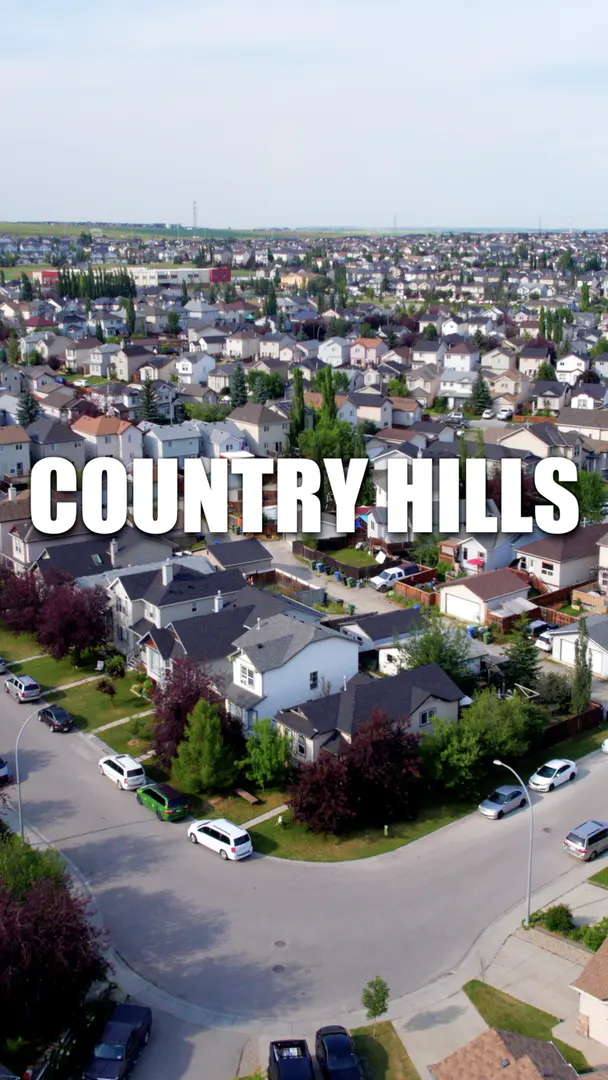
01Establish the baseline
Identify original construction, structural form, site position and major systems before deciding what is cosmetic, deferred or materially improved. For Country Hills, keep detached homes from varied build periods in the same decision as neighbourhood parks and local routes. Nearby alternatives in the same decision can include Country Hills Village and Coventry Hills.
02Document the renovation
Permits, plans, invoices, warranties and inspection evidence help distinguish design updates from meaningful work to structure, envelope, electrical, plumbing and mechanical systems. For Country Hills, keep attached choices where available in the same decision as everyday services and city connections. Nearby alternatives in the same decision can include Coventry Hills and Harvest Hills.
03Read the lot and street
Grade, drainage, orientation, access, parking, landscaping, route exposure and neighbouring context can alter use and future maintenance at the exact address. For Country Hills, keep renovated and original-condition properties in the same decision as a range of commuting directions. Nearby alternatives in the same decision can include Harvest Hills and Hidden Valley.
04Compare total ownership
Normalize condition, likely capital work, energy and insurance considerations, property taxes, fees and near-term projects before selecting the apparent lower-price option. For Country Hills, keep different lot, street and route contexts in the same decision as community amenities confirmed for the address. Nearby alternatives in the same decision can include Hidden Valley and Country Hills Village.